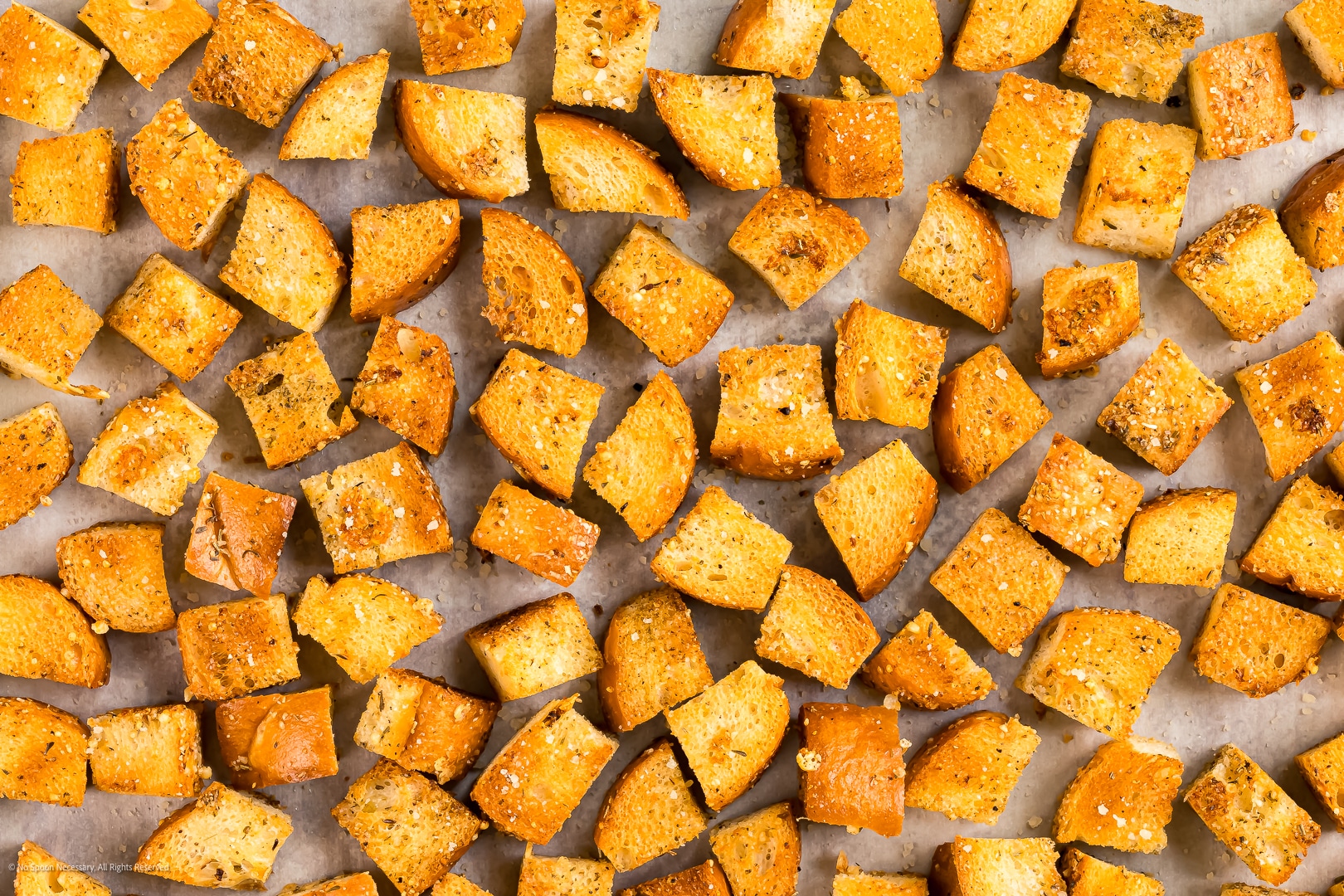
Why Homemade Croutons are a Game-Changer for Every Meal
Imagine a vibrant, fresh green salad. Now imagine it without that delightful crunch, that savory burst of flavor that only the perfect crouton can provide. A sad sight, isn't it? Just like a peanut butter dessert without its chocolate soulmate, a salad without high-quality croutons can feel incomplete and, dare we say, dull. But we're not talking about those dry, flavorless, store-bought cubes that seem to have forgotten their purpose. We're talking about the magic of homemade croutons: crispy, buttery, and infused with irresistible flavors, offering a slightly chewy interior that sets them apart.
Making your own croutons from scratch is more than just a culinary task; it's an elevation of everyday dishes and a delightful act of reducing food waste. If you've ever found yourself with leftover artisan bread, a baguette nearing its prime, or the remnants of a ciabatta loaf, transforming them into golden, crunchy croutons is the ultimate upcycle. They don't just transform salads; these little cubes of perfection can enhance soups, add texture to roasted vegetables, or simply disappear as an addictive snack on their own. Once you experience the unparalleled taste and texture, there's no going back. In fact, be warned: you'll likely find yourself sneaking handfuls every time you pass the storage container!
The beauty of homemade croutons lies in their simplicity. At their core, you only need three basic ingredients: bread, a source of fat (like oil or butter), and seasoning (primarily salt). From this humble foundation, a world of flavor and texture unfolds, delivering a culinary experience far superior to any pre-packaged alternative. The transformation of simple bread into these golden nuggets is surprisingly quick and deeply satisfying, proving that some of the best things in life are indeed homemade. Discover more creative uses and why they're such a hit Beyond Salads: Why Homemade Croutons Are Your Next Snack.
The Foundation: Choosing Your Bread Wisely for Perfect Homemade Croutons
The journey to perfect homemade croutons begins with your choice of bread. This isn't a detail to be overlooked; the right bread is paramount to achieving that coveted crispy exterior and tender, chewy center. Forget flimsy sandwich bread; it simply won't hold up to the task, often resulting in hard, cracker-like croutons that lack character. Instead, reach for something with substance and a good crust.
Ideal Bread Choices:
- Crusty Loaves: Think artisan bread, Italian or French bread, sourdough, or a robust baguette. These types offer a sturdy crumb and a resilient crust that bake beautifully.
- Specialty Breads: Homemade ciabatta or even leftover homemade bread bowls are excellent candidates, providing unique textures and flavors.
While the type of bread is crucial, its freshness also plays a significant role. The sweet spot for crouton-making is fresh bread or bread that's about 1-day old. At this stage, it's firm enough to hold its shape but still retains a touch of moisture, which is key to developing that desirable chewy interior. Super stale bread, on the other hand, is best reserved for dishes like breakfast casseroles, French toast casseroles, or stratas, where a completely softened texture is desired. Using overly dry bread for croutons often leads to a tooth-breaking crunch rather than a satisfying bite.
Shaping Your Croutons: Cubes or Craggy Pieces?
Once you've selected your bread, it's time to decide on the shape. You have two main options:
- Uniform Cubes: For a more polished and consistent look, slice your bread into roughly 1-inch cubes. This method ensures even baking and a predictable texture.
- Craggy, Irregular Pieces: For a rustic charm and a delightful variation in texture, simply tear the bread into bite-sized pieces. Smaller pieces will become extra crispy, while larger ones will retain more chewiness, offering a dynamic mouthfeel.
No matter which method you choose, ensure your pieces are small enough to comfortably fit on a fork or spoon alongside whatever dish they're accompanying – typically about ½ to 1 inch. This ensures maximum enjoyment and ease of eating. For a deeper dive into bread selection and how it impacts your final product, check out Choose Your Bread Wisely: Secrets to Perfect Homemade Croutons.
Crafting the Perfect Flavor: Fat, Seasoning, and Technique
With your bread chosen and prepped, the next step is to infuse it with glorious flavor. This is where the fat and seasonings come into play, transforming simple bread into irresistible morsels.
The Dynamic Duo: Olive Oil and Butter
You can certainly use either olive oil or melted butter on their own, but for the absolute best flavor and texture, we highly recommend a combination of both. Here’s why:
- Olive Oil: Contributes a lovely depth of flavor and helps achieve that essential crispiness, especially at higher temperatures.
- Melted Butter: Imparts a rich, creamy taste and helps brown the croutons beautifully, adding to their golden appeal.
The Warming Technique for Maximum Flavor
Don't just drizzle cold oil and butter over your bread. Take an extra minute to warm the fat and seasonings together. In a small saucepan or skillet, combine your olive oil, butter, and initial seasonings. Gently heat until the butter is fully melted and everything is well combined, whisking occasionally. This simple step is a game-changer:
- Better Absorption: Warming the mixture helps the fat and flavors penetrate the bread more quickly and deeply.
- Even Distribution: It ensures that every single piece of bread gets thoroughly coated, leaving no bland spots.
Seasoning Beyond Salt
While salt is the most basic and essential seasoning, don't stop there! This is your chance to get creative and tailor your croutons to your specific tastes or the dish they'll accompany. Start with a good pinch of sea salt and freshly ground black pepper, then consider adding:
- Garlic & Onion Powder: For an aromatic punch. Fresh minced garlic can also be added to the warm oil/butter mixture, but be careful not to burn it.
- Dried Herbs: Oregano, thyme, rosemary, or a classic Italian seasoning blend are fantastic choices. Add them to the warming fat mixture to help their flavors bloom.
- Smoked Paprika: For a subtle smoky depth and beautiful color.
- Red Pepper Flakes: If you like a little kick.
- Parmesan Cheese: For a salty, umami boost. If using, toss it with the bread cubes *after* coating with the oil mixture, right before baking, to prevent it from burning.
Once your fat and seasonings are warmed, drizzle the mixture generously over your prepared bread cubes. Toss thoroughly in a large bowl, using your hands if necessary, to ensure every cranny and surface is fully coated. This even coating is essential for uniform crispiness and flavor.
Baking to Golden Perfection: The Secret to Crispy & Chewy
With your flavor-infused bread ready, it’s time for the oven to work its magic. Baking is the final, crucial step to transform your coated bread into those glorious homemade croutons.
Prepping for the Oven
- Preheat Your Oven: A good starting point is around 350-375°F (175-190°C). This temperature allows the croutons to crisp up without burning too quickly.
- Line Your Baking Sheet: For easy cleanup and to prevent sticking, line a large baking sheet with parchment paper.
- Single Layer Spread: Spread the coated bread pieces in a single layer across the prepared baking sheet. Do not overcrowd the pan; if necessary, use two baking sheets. Crowding will steam the croutons instead of allowing them to crisp evenly.
The Baking Process and Visual Cues
The exact baking time can vary depending on your oven, the type of bread, and the size of your croutons, but a general guideline is:
- Bake for about 10-12 minutes.
- Carefully remove the sheet from the oven, give the croutons a good stir or flip them with a spatula to promote even browning.
- Return to the oven and bake for another 8-10 minutes, or until they reach a beautiful golden brown color.
The key is to look for that coveted golden-brown hue. Your croutons should feel crunchy to the touch on the outside but still have a slight give and a hint of chewiness in the center. Avoid over-baking! They will continue to crisp up and harden slightly as they cool outside the oven, a phenomenon known as "carry-over cooking." If you bake them until they are already rock-hard in the oven, they will become too brittle and unpleasantly hard once cooled.
Storage Tips for Lasting Freshness
Once your croutons are baked to perfection, allow them to cool completely on the baking sheet before storing. This is vital to prevent them from becoming soggy. Once cool, transfer your homemade croutons to an airtight container. Store them at room temperature in a cool, dry place, away from direct sunlight. When stored properly, they will maintain their delicious crunch and flavor for about 5-7 days. For longer storage, you can even freeze them in an airtight freezer-safe bag for up to a month, though their texture might be slightly softer after thawing.
Conclusion: The Irresistible Charm of Homemade Croutons
There you have it – the comprehensive guide to creating easy homemade croutons that promise crispy, buttery, and perfectly chewy perfection every time. From selecting the ideal bread to mastering the art of seasoning and baking, you now possess all the knowledge to transform simple ingredients into a culinary delight. These aren't just mere salad toppings; they're versatile flavor bombs that elevate everything from soups to snacks.
The satisfaction of creating something so delicious and effective at reducing food waste is immense. So, next time you have leftover bread, don't let it go to waste. Embrace the simple pleasure of making your own croutons. Your salads, soups, and snack cravings will thank you for it!
